Children Cancer Stories by Rukh Yusuf - Blog # 267

I am Rukh Yusuf, Clinical Pharmacist, also specialized in Total Parenteral Nutrition and Bone Marrow Transplant. I have worked in the Pediatric Oncology unit of a public hospital. The mission of this blog is to bring to you the real-life stories of child patients suffering from cancer. Cancer is still a difficult disease to handle and treat. However, when it strikes the children, some so young that they cannot even speak, their agony is beyond expression and words. Let us pray especially for children suffering from cancer for early and complete remission. May Allah shower His Merciful Blessings upon them. Aameen.
When the Hospital Visits Finally Stopped: Zaid’s Story After Wilms Tumor
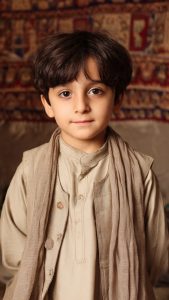
In a small home in Jamrud District, Khyber, seven-year-old Zaid is slowly returning to the ordinary routines of childhood. A few months ago, his days were shaped by hospital visits, medicines, scans, long waits, and worried conversations between adults. Today, there are school notebooks on the floor again, unfinished cups of milk on the table, and cricket sounds coming from the street outside.
Zaid completed treatment for Wilms tumor on 06/05/2025 under treatment of Dr. Kashif Khan Afridi At Khyber Teaching Hospital Peshawar.
For many families, people assume the hardest part ends when treatment finishes. But recovery after childhood cancer is often quieter and more complicated than most imagine. Life does not suddenly return to normal overnight. Families carry exhaustion for months. Children slowly relearn comfort, routine, and confidence in their own bodies.
Zaid’s parents still remember the early days before diagnosis clearly. At first, the signs did not seem alarming. He complained of stomach discomfort from time to time. There were days when he looked unusually tired. His appetite changed. Like many parents, they initially thought it might be weakness, a stomach infection, or something temporary.
Then came the appointments, tests, and eventually the diagnosis that changed the rhythm of the entire household.
Wilms tumor, a type of kidney cancer mostly found in children, is something many families have never even heard of before they face it themselves. That unfamiliarity makes the experience even more frightening. Parents are suddenly expected to understand medical words, treatment schedules, side effects, and difficult decisions while emotionally trying to hold their family together.
For Zaid’s family, the months that followed revolved around treatment and travel. Living in Jamrud District meant long journeys for care. Hospital days often started early in the morning and ended late in the evening. Sometimes there was silence during the drive home because everyone was simply too tired to speak.
Cancer treatment changes small household routines in ways outsiders rarely notice. Meals become uncertain because children lose appetite. Sleep schedules disappear. Parents stop planning ahead because everything depends on the next report, the next fever, or the next hospital call.
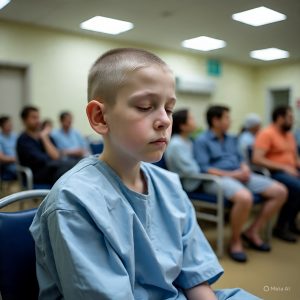
Zaid’s mother noticed that even after difficult days, he still held onto small childhood habits. He would ask simple questions on the way home. Sometimes he wanted snacks from roadside shops. Sometimes he talked about cartoons or cricket matches as if nothing unusual was happening. Children often continue being children even in the middle of illness, and families quietly hold onto those moments.
Treatment also affects siblings and relatives in unseen ways. Attention shifts heavily toward the sick child, not by choice but by necessity. Families begin living in survival mode. Financial pressure builds slowly too transport costs, medicines, missed workdays, and temporary stays away from home become part of everyday life.
Now that treatment has ended, the family is trying to settle back into ordinary life again. But “ordinary” feels different after months of uncertainty.
Zaid still attends follow-up appointments. His parents still become anxious before scans or medical reviews. That fear does not disappear immediately when treatment ends. Many parents continue carrying silent worry long after doctors say their child is improving.
At home, however, there are signs of healing that cannot be measured in reports.
Zaid has started spending more time outside. He argues with other children during games again. He leaves toys scattered around the room. His mother says the house feels noisy in a comforting way now.
These details may sound small, but for families after cancer treatment, ordinary moments become deeply meaningful.
Stories like Zaid’s are also a reminder of why awareness matters. Childhood cancers do not only affect children living in major cities or wealthy households. Families in smaller districts and underserved areas face additional burdens, especially when specialized treatment centers are far from home.
Early attention to symptoms, timely diagnosis, emotional support for families, and access to proper treatment all make a difference.
Many parents ignore persistent swelling, fatigue, abdominal pain, or unusual changes because they hope the problem will pass on its own. Sometimes it does. Sometimes it does not. Awareness does not mean living in fear. It means understanding when a child’s body may be asking for attention.
Today, Zaid is no longer spending his weeks inside hospital wards. His family is learning how to breathe normally again after a long period of tension and uncertainty.
There is no dramatic ending to stories like this. Recovery is usually quiet.
It looks like a child returning to the street to play.
It sounds like laughter coming from another room after months of silence.
And for many families, that is already enough.
Prayers for these little angels and their families who have to face this pain of cancer. May Allah make it easy for them. Aameen