Friday, August 27, 2021

Warriors and Survivors


 Children Cancer Stories by Rukh Yusuf - Blog # 20


I am Rukh Yusuf, Clinical Pharmacist, also specialized in Total Parenteral Nutrition and Bone Marrow Transplant. I have been working in Pediatric Oncology unit of a public hospital for several years. The mission of this blog is to bring to you the real-life stories of child patients suffering from cancer. Cancer is still a difficult disease to handle and treat. However, when it strikes the children, some so young that they cannot even speak, their agony is beyond expression and words. Let us pray especially for children suffering from cancer for early and complete remission. May Allah shower His Merciful Blessings upon them. Aameen.


“To feel intensely is not a symptom of weakness…”

Highly sensitive people are too often perceived as weaklings or damaged goods. To feel too intensely is not a symptom of weakness, it is the trademark of the truly alive and compassionate people. Sensitivity is a symbol of strength.

My today’s warrior is symbol of sensitivity and strength who is only 10 years old. Aqeel has gone through too much in just ten years of his life. He has been operated for cholecystectomy and for abdominal mass four months ago. His stomach got gangrenous, and he had to undergo another surgery for stomach resection.  Aqeel is suffering from Colon Cancer (CA Colon). He has received three cycles of chemo so far and still under treatment.

CA Colon is a cancer that can occur anywhere along the colon (large intestine). Colon carcinoma (adenocarcinoma of colon) in children, although rarely discovered, comprises approximately 1% of pediatric neoplasms. It is also the most common primary gastrointestinal malignancy in children.  However, due to the low awareness of the disease, diagnosis is usually delayed until the disease is in the advanced stage, causing prognosis to be extremely poor compared with that of adults.

Colon carcinomas are diagnosed in stages 0 to IV, depending on how severe the disease is. At stage 0, the cancer is still contained within the immediate area where it is formed. By stage IV, the cancer has spread outside the colon or rectum to at least one other organ.

Childhood adenocarcinoma of colon most often affects children with a family history of these cancers and with an inherited condition called familial intestinal polyposis, if the small-intestine polyps (growths) are cancerous

Symptoms of colon carcinoma include pain in the abdomen (belly), Constipation or diarrhea. A lump in the abdomen, unexplained weight loss, loss of appetite and blood in the stool.

Colorectal carcinoma treatment is based mainly on the stage when the cancer is diagnosed. For the best chance of a complete cure, the tumor must be completely removed by surgery. If the tumor is too large to start with, chemotherapy and/or radiation may be used to try to shrink it.

Stage 0 - If the cancer is small enough, surgeons may remove the tumor along with any precancerous polyps (growths) that may be present. If the tumor is large, surgeons may take out the affected section of the colon or rectum and sew the remaining parts back together.

Stage I - Treatment usually involves surgery to remove the cancer along with a small amount of tissue in the area. For most patients, no other treatment is needed.

Stages II and III - Surgeons may remove the affected section of the colon or rectum and sew the remaining parts back together.

Stage III - Chemotherapy may be added following surgery.

Stage IV - Treatment may include Surgery to remove the cancer, along with the tissue around the cancer. The surgeon will then sew the remaining parts back together and remove parts of other organs to which the cancer has spread. Chemotherapy (“chemo”) is used to shrink the tumor before surgery and to treat any remaining cancer. Chemo uses powerful medicines to kill cancer cells or stop them from growing (dividing) and making more cancer cells.


The five-year survival rate for adults is about 90% for stage I, 75% for stage II, 60% for stage III and less-than 10% for stage IV. The rarity of colon cancer in patients less than 20 years old makes it hard to figure survival rates. Most information suggests that younger patients often have stage III or IV disease by the time they are diagnosed.

Aqeel belongs to Multan, His father was doing a private job, but Covid and his disease left him jobless. Aqeel has three sisters and two brothers, He is in middle. He was a student of class six when he got disease, but he told with heavy heart that he could not continue his education due to his disease and treatment. His little pure heart is too much worried for the job of his father and studies of his siblings and him. Aqeel is sensitive but strong. He is too sensitive towards his family and aims to support his father after his recovery. He said he did not feel hunger when he comes to hospital. His sensitivity has taken over his carefree childhood. He does not like to play or eat like other children.

Prayers for Aqeel’s early recovery and his family. Aameen


Note: Names have been changed to protect identity

Friday, August 20, 2021

Warriors and Survivors-19


Children Cancer Stories by Rukh Yusuf - Blog # 19


I am Rukh Yusuf, Clinical Pharmacist, also specialized in Total Parenteral Nutrition and Bone Marrow Transplant. I have been working in Pediatric Oncology unit of a public hospital for several years. The mission of this blog is to bring to you the real-life stories of child patients suffering from cancer. Cancer is still a difficult disease to handle and treat. However, when it strikes the children, some so young that they cannot even speak, their agony is beyond expression and words. Let us pray especially for children suffering from cancer for early and complete remission. May Allah shower His Merciful Blessings upon them. Aameen.

Pediatric Cancer Occurrence and Pediatric Oncology Centers in Pakistan -2

Continued from Previous……

Despite the braveness of our warriors and survivors and suffering and efforts of them and their families along with dedication of oncology health care staff, survival rate of children with cancer is still below 50% . In today’s and upcoming blogs we shall see what are challenges and their possible solution for the treatment of these brave hearts and how can pediatric oncology survival rate be improved.

Pediatric Hematology Oncology subspecialty has developed recently in the last few decades in Pakistan and being a low middle-income country there are challenges in the management of these patients. Major challenges include less treatment centers, poor access, and delayed presentation to the specialized centers. Insufficient health care facilities, and lack of public awareness. Illiteracy, poverty, and malnutrition and lack of trained human resources are some other challenges.

In Pakistan, there is no nation-wide cancer data, therefore, it is difficult to find the actual number of children suffering from cancer. With the available data, it is estimated that approximately 10,000 children under the age of 18 years are diagnosed with cancer annually in Pakistan. Out of those 10,000 cases, only about half reach a pediatric oncology unit for treatment. At present, there are only 14 centers for pediatric cancer care in the country.

In Lahore, Children Hospital has dedicated, 100 beds pediatric oncology unit that receives almost 1500 new cancer cases every year (details of cancer types have been discussed earlier). Mayo Hospital and Lahore General Hospital, Lahore treat 100 to 150 patients each annually. Shaukat Khanum Hospital treats almost 400 to 500 patients annually. In Rawalpindi, CMH also treats 250 to 300 new patients per year. Children’s Hospitals Faisalabad and Multan have smaller oncology units and treat almost 100 to 200 new cancer patients each per annum.  Nuclear medicine radiology and oncology institute receive 500 pediatric oncology new cases each year.

Indus hospital has the biggest pediatric oncology unit In Sindh, and they treat around one thousand children with newly diagnosed cancer per annum. NICH treats 500 and Agha Khan treats 300 new pediatric oncology patients annually. There is no dedicated childhood cancer treatment center in interior Sindh and Baluchistan.

With only 14 pediatric oncology centers for a population of over 220 million, out of which children (0-14 years) contribute to around `36 %. The survival rate for childhood cancer in Pakistan is very disheartening i.e. between 35 to 40% while in the developed world 80% of children with cancer survive.


Although fourteen pediatric oncology centers are present countrywide, but their distribution is not uniform. Most of oncology patients come from peripheries, more from northern areas and peripheral areas of Punjab.

Due to lack of specialized centers and healthcare staff in peripheries, a large number of pediatric hematology oncology patients cannot show up for their in-time diagnosis and treatment. More than sixty percent of patients belong to middle and lower middle class. Cancer treatment is costly and of longer duration. If somehow, they are referred to these specialized centers and their treatment is initiated after diagnosis, it is not confirmed that they will complete treatment and will always show up for their scheduled chemotherapies or interventions. Travelling out station for their scheduled treatment is not easy especially when outstation visits are frequent and recurrent.

Many times, these patients cannot come up to oncology centers due to financial issues, their engagement in any other family matters or any other social factors. Pediatric hematology oncology patients demand holistic care and might get affected tremendously due to lack of centers and trained staff. The delay in diagnosis and later breach in treatment and provision of suboptimal care may lead to devastating long-term effects in the form of poor response to treatment or disease relapse.

Due to lack of centers and sub optimal treatment facilities the survival rate for childhood cancer in Pakistan is between 20 to 25% as compared to developed world i.e., 80%. As mentioned earlier. Increase in dedicated pediatric oncology centers, early diagnosis and right treatment can lead to a better survival rate. Pakistan plans to achieve 75% childhood cancer survival by 2030.

Friday, August 13, 2021

Warriors and Survivors

Children Cancer Stories by Rukh Yusuf - Blog # 18


I am Rukh Yusuf, Clinical Pharmacist, also specialized in Total Parenteral Nutrition and Bone Marrow Transplant. I have been working in Pediatric Oncology unit of a public hospital for several years. The mission of this blog is to bring to you the real-life stories of child patients suffering from cancer. Cancer is still a difficult disease to handle and treat. However, when it strikes the children, some so young that they cannot even speak, their agony is beyond expression and words. Let us pray especially for children suffering from cancer for early and complete remission. May Allah shower His Merciful Blessings upon them. Aameen.

Incidence of pediatric cancer and pediatric oncology centers in Pakistan

Pakistan is a low income highly populated country with population of more than 220 million.  Pakistani health sector has the challenges of many communicable and non communicable disease. There are multiple reasons of prevalence of these diseases including low income and unhealthy lifestyle as a whole. Unawareness about health and poor sanitary conditions also affect disease burden.  

In Pakistan, malnutrition and communicable diseases are the major reason for pediatric mortality. In the last few years, cancer has been a major reason for childhood morbidity and mortality.  Almost 9000 to 10,000 children are diagnosed with cancer every year in Pakistan.

Cancer is a leading cause of death for children worldwide with 300,000 new cases diagnosed each year among children aged 0-19 years. The disease burden impacts Pakistan many times, because of multiple above-mentioned factors.

Children with cancer in LMIC (Lower- and middle-income country) like Pakistan are four times more likely to die of the disease than children in high income countries. This is because of many different reasons we will see in next blog.

As per Globacon, newly diagnosed cancer patients were around 1,74,000 in year 2018, out of which leukemia was almost 8000 new cases per year and almost 60%-80% of these patients  die.  Moreover, incidence of cancer in females is relatively more than in males. 

Currently there are  only  three  cancer registries located in Karachi, Lahore and in  2015  National  Cancer  Registry  was  established   in   Pakistan   Health   Research   Council (PHRC) in   Islamabad.

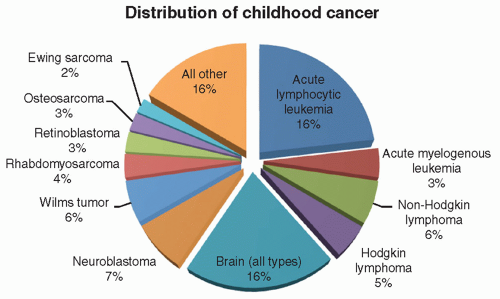
In Pakistan, childhood cancer accounts  for more than 15%  of  all  prevalent cancers. Leukaemia 8305 cases, Non-Hodgkin lymphoma 6644 cases, and Hodgkin lymphoma 1661 new caes per year. As per Karachi cancer registry Pakistan, Leukemia (31%) and lymphomas (20%) are the major childhood cancer.

Punjab cancer  registry  data showed   that   lymphomas   (31%)   are   relatively higher  prevalent  than  leukemia  (23%).  The available data  at  newly  established  PHRC  National  Cancer  Registry  is  very  limited  and  is  not showing the prevalence of childhood cancers.

With such a significant estimated data there is dire need to establish an accurate surveillance system for cancer incidence and mortality. In Pakistan with a population of over 22 million, there should be more proper cancer registries and the data collection  system  needs  improvement.  The collected data should be combined at national level to create a proper insight of cancer prevalence at adult and pediatric level.

With proper cancer prevalence data available, policies and procedures can be made for better treatment facilities to reduce disease burden and mortality.

In Pakistan total oncology centers are 33 including designated cancer hospitals and individual cancer units. One each in Azad Jammu & Kashmir, Balochistan and Gilgit-Baltistan. Three in Islamabad Capital Territory, six in Khyber Pakhtunkhwa, nine in Punjab and 12 in Sindh.

Pakistan Atomic Energy Commission (PAEC) has established a number of hospitals all over the country that provide cancer treatment. Initially, these focused primarily on the provision of radiation-treatment facilities. Gradually, they have come to deliver chemotherapy in addition to radiation treatment, but do not have surgery or palliative care services. In common with many lesser-developed countries, these hospitals tend to be under equipped and see many more patients than is ideal for the facilities available.

These above oncology centers include both public and private hospitals and all of them vary in facilities and standard of care and cost of treatment. We shall see pediatric oncology centers and their capacities in detail in next blog.


Refrences:

Globacon 2018.

International agency for research on cancer by WHO.

Global challenges in pediatric oncology by Carlos Rodriguez-Galindo

Afzal.suhail et al., Iran J Public Health, Vol. 49, No.8, Aug 2020, pp.1579

Friday, August 6, 2021

Warriors and Survivors -17


 Children Cancer Stories by Rukh Yusuf - Blog # 17


I am Rukh Yusuf, Clinical Pharmacist, also specialized in Total Parenteral Nutrition and Bone Marrow Transplant. I have been working in Pediatric Oncology unit of a public hospital for several years. The mission of this blog is to bring to you the real-life stories of child patients suffering from cancer. Cancer is still a difficult disease to handle and treat. However, when it strikes the children, some so young that they cannot even speak, their agony is beyond expression and words. Let us pray especially for children suffering from cancer for early and complete remission. May Allah shower His Merciful Blessings upon them. Aameen.

Two years old Shaban is one of the twins from a family of Burewala. He has five siblings, three sisters and two brothers. One is fifteen years old eldest brother and the other is two years old Shaban’s twin brother.

Shaban was a healthy, normal child till the age of one and half year until he got fever which did not settle with routine treatment. He seemed pale with distended abdomen. Parents were worried and consulted physician again. Doctor said Shaban’s liver is enlarged and was not working properly and referred Shaban to Lahore in a tertiary care Children’s Hospital. Shaban was diagnosed as case of high risk Hepatoblastoma. Poor child’s treatment was started in November 2020. He has got six chemotherapy cycles so far.

Hepatoblastoma is the most common liver cancer of childhood, it affects 2 to 3 people in a million. It affects children during the first three years of life and usually presents as an abdominal mass which causes pain and discomfort. A large percentage of these tumors occur in children who are born premature. The tumor can be cured with surgical removal. If surgical removal is hazardous because of size and location of this tumor inside the liver, cure is still possible with liver transplantation.

Hepatoblastoma diagnosis starts with child's symptoms and medical history. Tests may include: Blood tests –X-rays of the chest and abdomen, Angiograms – X-rays of blood vessels, MRI scan , Ultrasound, CT scan and liver Biopsy.

Liver cancer "staging" is done to find out the stage to plan the best treatment for the child. The following stages are used for pediatric liver cancer: Stage I Liver Cancer – The cancer can be removed with surgery. Stage II Liver Cancer – Most of the cancer may be removed but very small (microscopic) amounts of cancer are left in the liver following surgery. Stage III Liver Cancer – Some of the cancer may be removed, but some of the tumor cannot be removed and remains either in the abdomen or in the lymph nodes. Stage IV Liver Cancer – The cancer has spread from the liver to other parts of the body. Recurrent Liver Cancer – The disease has come back (or recurred) after having been treated. It may reappear in the liver or in another part of the body.

Pediatric liver cancer treatments depend on the type (hepatoblastoma or hepatocellular carcinoma) and stage of child's disease, as well as child's age and general health.

Chemotherapy is started immediately upon diagnosis and is also given after liver transplantation. Up to 80 percent of children treated with liver transplantation survive longer than 20 years without experiencing recurrences if the tumor is confined to the liver.

If the tumor has spread outside the liver, eliminating it with surgery or chemotherapy before transplantation can still cure in up to half of such children.

Relapse can occur in 16 percent of children after transplantation. Recurrences are most common during the first two years, and rarely occur thereafter. Hepatoblastoma most commonly spreads to the lungs.

This little brave warrior has received five chemotherapy cycles before surgery and his one lobe was removed couple of months ago. He is again on chemotherapy cycle to fight his disease. Shaban is doing fine so far as per his mother. But He has stage three disease, he is under observation and follow up.

Shaban belong to a lower middle-class family of Burewala. His parents are first cousins. His maternal and paternal Uncles and aunts are the same due to strictly following cousin marriage in family. As per his mother, Shaban’s eldest brother who is fifteen years old is unable to walk. Three daughters are school students and doing fine. Poor parents are fighting with the disease of their son, they must travel to Lahore again and again for his treatment and follow up but both of them are hopeful for cure of Shaban.


We all pray for ease for Shaban and his family. Aameen


Note: Names have been changed to protect identity.


Friday, July 30, 2021

Warriors and Survivors

Children Cancer Stories by Rukh Yusuf - Blog # 16

I am Rukh Yusuf, Clinical Pharmacist, also specialized in Total Parenteral Nutrition and Bone Marrow Transplant. I have been working in Pediatric Oncology unit of a public hospital for several years. The mission of this blog is to bring to you the real-life stories of child patients suffering from cancer. Cancer is still a difficult disease to handle and treat. However, when it strikes the children, some so young that they cannot even speak, their agony is beyond expression and words. Let us pray especially for children suffering from cancer for early and complete remission. May Allah shower His Merciful Blessings upon them. Aameen.


Possible Effects of Cousin Marriages – 3

Last blog’s warrior was six years old Sidra from Sheikhupura suffering with Beta Thalassemia Major. She is a child of consanguineous marriage. The siblings of her parents were also married to their first, or second cousins. There is a trend of cousin marriage in her family. With repeated transfusions, iron keeps accumulating which is a common complication of thalassemia syndromes, and which could lead to the development of organ damage. Usually In these patients, iron deposition in parenchymal tissues begins within 1 year of starting the regular transfusions.

Today, we shall talk about the role cousin marriage as a reason for thalassemia. Thalassemia is an autosomal inherited disorder of hemoglobin which is an important oxygen carrier of our body. Without hemoglobin our cells would die.

A person inherits Hemoglobin gene from his/her parents. If only one of the genes is faulty, the child gets only half of the corrupt hemoglobin. This decreases the total oxygen carrying capacity of blood, but still the other half of the hemoglobin is intact and that can transport oxygen. This is called Thalassemia minor. People who have a Thalassemia trait can have it silently for life without knowing it, but trouble starts when both copies of the gene are corrupt. This occurs when two people with thalassemia trait marry and have a child. That child has 25 percent chance of developing full blown thalassemia major and fifty percent chance of developing thalassemia minor.

This is also a fact that the risk of inheriting thalassemia in Pakistan is almost the same between cousin marriages as between marriages outside family. It is so because even if there is no cousin marriage in the immediate generation, there would be history of it in the previous generations. And, although being widely reported, inbreeding is not the only cause of increase in thalassemia, we are observing in Pakistan.

Cousin marriages may come with many genetic diseases like cystic fibrosis, Gaucher’s Disease, Hemochromatosis, Sickle cell disease, Phenylketonuria and Thalassemia. The list is longer than above. As per study by Aideen Maguire et al. “A child of consanguineous parents is at increased risk of common mood disorders and psychoses”.

These diseases are a long-term burden in terms of healthcare cost and lifelong misery not only for patient, but for the whole family. There is urgent need for prevention and cure of such diseases. These diseases can be prevented by two ways:  One: Cousin marriage must not be a custom within family. Marriages should be planned within and outside of the family equally.  In this way genetic defects may not get strengthened in generations.

Two: Taking a blood test before marriage. “In Indonesia and Iran, it is a common practice that if you’re opting for a cousin marriage the couple-to-be have to take a blood test for these diseases,” By doing so, these countries have almost gotten rid of thalassemia.

In Pakistan, the annual number of infants born with genetic and other disorders related to consanguineous marriage is the highest as compared to other countries from Eastern Mediterranean region.

Although the management and control of genetic disorders including thalassemia and mental health issues, is a difficult task, it can be achieved via the assistance of prenatal diagnosis and prevention programs. The only way to prevent genetic disorders in Pakistan is to make and implement a law for widespread screening before marriage. Moreover, cousin marriage was never forbidden but making consanguineous marriages as a custom from generation to generation should be avoided to limit the future burden of complex genetic and other complications including thalassemia.


We all pray for ease for Sidra and her family. Aameen


Note: Names have been changed to protect identity.


Friday, July 23, 2021


Warriors and Survivors - Children Cancer Stories by Rukh Yusuf - Blog # 15


I am Rukh Yusuf, Clinical Pharmacist, also specialized in Total Parenteral Nutrition and Bone Marrow Transplant. I have been working in Pediatric Oncology unit of a public hospital for several years. The mission of this blog is to bring to you the real-life stories of child patients suffering from cancer. Cancer is still a difficult disease to handle and treat. However, when it strikes the children, some so young that they cannot even speak, their agony is beyond expression and words. Let us pray especially for children suffering from cancer for early and complete remission. May Allah shower His Merciful Blessings upon them. Aameen.


Possible Effects of Cousin Marriages – 2

Six years old Sidra visits hospital regularly with her grandparents to get her treatment. She is patient of Beta Thalassemia major since her birth. Poor soul lives in Sheikhupura and have to travel to Lahore twice or sometimes three times a month for her treatment including blood transfusion.

She started looking pale when she was few months old. Initially, she was advised haematinics and other vitamins and later was referred to tertiary care hospital. Here she was investigated and diagnosed as Beta Thalassemia Major.

About her family, Sidra’s parents are first cousins; there is a trend of cousin marriage in her family. The siblings of her parents are married to their first, or second cousins. Her father passed away couple of years ago. Sidra’s mother looks after other two children and not healthy enough to travel this much for treatment of her daughter. That is why grand parents took the responsibility of her treatment.

Thalassemia is an inherited blood disorder in which the body makes an abnormal form or inadequate amount of hemoglobin. The disorder results in large numbers of red blood cells being destroyed, which leads to anemia. Hemoglobin is made of two proteins: Alpha globin, and Beta globin.

Thalassemia occurs when there is a defect in a gene that helps control production of one of these proteins. There are two main types of thalassemia: Alpha thalassemia occurs when a gene or genes related to the alpha globin protein are missing or changed (mutated). Beta thalassemia occurs when similar gene defects affect production of the beta globin protein. Both alpha and beta thalassemia include Thalassemia major and Thalassemia minor. There are many forms of thalassemia. Each type has many different subtypes.

Alpha thalassemia occurs most often in people from Southeast Asia, the Middle East, China, and in people of African descent. Beta thalassemia occurs most often in people of Mediterranean origin. To an extent Chinese, Asians, and African Americans can be affected.

The patients inherit the gene defect from both parents to develop thalassemia major. Thalassemia minor occurs if patients receive the faulty gene from only one parent. People with this form of the disorder are carriers of the disease. Most of the time, they do not have symptoms. If both parents are carriers (more chances in case of consanguineous marriage) for beta thalassemia, there is a 25% chance their babies have the disease, 50% chance their babies are carriers for the disease and 25% chance their babies don't have the disease or the gene.  In rare instances, beta thalassemia can be passed to a child if only one parent has the gene.

For moderate to severe thalassemia, treatments might include all these:  Frequent blood transfusions. More severe forms of thalassemia often require frequent blood transfusions, possibly every few weeks. Over time, blood transfusions cause a buildup of iron in blood, which can damage heart, liver, and other organs.

Chelation therapy. This is the treatment to remove excess iron from blood. Iron can build up as a result of regular transfusions. Some people with thalassemia who don't have regular transfusions can also develop excess iron. Removing the excess iron is vital for health. To help rid the body of the extra iron, the patients might need to take an oral medication, such as deferasirox or deferiprone. Another drug, deferoxamine, is given intravenously.

Stem cell transplant. Also called a bone marrow transplant, a stem cell transplant might be an option in some cases. For children with severe thalassemia, it can eliminate the need for lifelong blood transfusions and drugs to control iron overload.

Unaware of her disease and possible outcome, Sidra has to come to hospital for her blood transfusion and chelation therapy at least twice a month. Sometimes she needs an early transfusion from her city when her hemoglobin drops suddenly. It is quite difficult for her grandparents to find matched and safe blood. It is not even easy for them to travel to Lahore so frequently in this age. Sidra”s health status is another concern, with passing time her blood transfusion duration is decreasing.

I shall further discuss about Sidra, thalassemia diagnosis and cousin marriage in next blog,


We all pray for ease for Sidra and her family. Aameen


Note: Names have been changed to protect identity.


Friday, July 16, 2021

Warriors and Survivors


 Children Cancer Stories by Rukh Yusuf - Blog # 14

I am Rukh Yusuf, Clinical Pharmacist, also specialized in Total Parenteral Nutrition and Bone Marrow Transplant. I have been working in Pediatric Oncology unit of a public hospital for several years. The mission of this blog is to bring to you the real-life stories of child patients suffering from cancer. Cancer is still a difficult disease to handle and treat. However, when it strikes the children, some so young that they cannot even speak, their agony is beyond expression and words. Let us pray especially for children suffering from cancer for early and complete remission. May Allah shower His Merciful Blessings upon them. Aameen.


Possible Effects of Cousin Marriages – 1

Eleven months old Abdul Ghani is today’s warrior. Abdu Ghani is only child of his parents who belong to Sialkot from a lower middle class family. His mother was worried when he had recurrent fever and abdominal swelling since his birth. She reached pediatric hospital in Lahore after many referrals. Abdul Ghani was diagnosed as case of Bilateral Wilms tumor. (I will discuss Wilms tumor in next blog). So far Abdul Ghani has received six pre op chemotherapy cycles and waiting for surgery. Let’s pray and hope his successful surgery and recovery.

Poor child is having this disease since birth, As per family history, Abdul Ghani’s mother is married to her first cousin, Grandparents of both of them were first cousins too. Most of siblings are married to their first, second or even fourth cousins. There are many diseases labeled as genetic disorders but there are many not labeled as genetic disorder but have relation with genetic mutation and disorder and cousin marriage is directly linked with genetic diseases.

Marriage between cousins is taboo in much of the Western world. In the United States, 31 of 50 states outlaw marriage between first cousins, or allow it only under certain circumstances.

Although cousin marriage is banned in much of the US, the practice is tolerated and even encouraged in other parts of the world including Pakistan. In South Asia and the Middle East, for example, 20-50% of marriages are between first cousins or even closer relatives. They're in good company. More than 10% of people worldwide are married to a second cousin or closer, or have parents who are cousins.

Genetically speaking that means they shared their DNA. And the more closer relative they marry  the more DNA they share, the greater the chance their offspring will have a genetic disease like cystic fibrosis, sickle-cell anemia and Thalassemia.

Most important is, Parents don’t have to be sick in order to give child a genetic disease.

For example: Sickle cell anemia is caused by a mutation in the gene, both mother and father must pass the defective/ mutated form of the gene for a child to be affected. So, if child only have one defective copy, kid is unaffected. Instead, he/she is called a “carrier”. If one carrier marries with a non-carrier, there’s no risk of the kids getting sick. But when both parents carry a defective copy of gene, then the kids have a 25% chance of inheriting two copies of the defective gene and having the disease.

Scientists have calculated the numbers and it shows the risk that the cousins would have a kid who inherits a genetic disease is 4-7%. For the general population, it’s 3-4%. But here’s the catch: There may be  thousands of defective genes for malignancies and blood disorders that could be hiding in family tree and there are chances that these defective gene express themselves in case of cousin marriage.

Moreover, if kids also marry their first cousins and their kids marry their first cousins it’s a recipe for disaster. Because instead of introducing new, potentially helpful genes into the family gene pool, they are recycling the old  and possibly dangerous ones.

As per a study conducted in UAE population about Consanguinity in Leukemia and Lymphomas by Bener et al. The consanguinity rate in the families of patients with ALL (Acute Lymphocytic Leukemia) is significantly higher than those with NHL and HL.

In 'Consanguinity in Context,' medical geneticist Alan H. Bittles of University of Australia examines and explains common misconceptions about cousin marriage from legal, cultural, religious and medical perspectives. Bittles writes, there's no doubt that children whose parents are close biological relatives are at a greater average risk of inheriting genetic disorders. But the risks of illness and early death are three to four percent higher than in the rest of the population.

In native population of Pakistan, the rate of consanguineous marriages is high. Pediatric Cancer prevalence is increasing. Pakistani population and Government need to realize the consequences of cousin marriage and consider legislation as per medical perspective. As a rule, cousin marriage should not be a tradition to avoid genetic mutations and deformities. We shall see Thalassemia and its relation to cousin marriage in next blog.


We all pray for Abdul Ghani’s recovery and ease for his family. Aameen


Note: Names have been changed to protect identity.

Ref: Business Insiders’s article written by Gene Kim and Shira Polan in 4 Aug 2018


Blog Post # 03 by Rukh Yusuf