Friday, September 17, 2021


Warriors and Survivors - Children Cancer Stories by Rukh Yusuf - Blog # 23


I am Rukh Yusuf, Clinical Pharmacist, also specialized in Total Parenteral Nutrition and Bone Marrow Transplant. I have been working in Pediatric Oncology unit of a public hospital for several years. The mission of this blog is to bring to you the real-life stories of child patients suffering from cancer. Cancer is still a difficult disease to handle and treat. However, when it strikes the children, some so young that they cannot even speak, their agony is beyond expression and words. Let us pray especially for children suffering from cancer for early and complete remission. May Allah shower His Merciful Blessings upon them. Aameen.


The stories that no one wants to hear may be the ones that help inspire change. These are the stories that terrify and sadden us in which we can find questions to inspire change. Sometimes the stories are blunt and shock us with harsh realities. Let’s face one today.

In my early blogs I wrote about ten years old Afghani fairy who was fighting bravely for two years along with her family against her disease. Her warrior father and mother left no stone unturned for her treatment including crossing border. But they could not win. Couple of days ago fairy lost her battle against cancer.

“All deaths are sudden, no matter how gradual the dying may be.”
― Michael McDowell

No one can call her death ‘sudden’ but yes it was shocking news. Though her disease was relapsed due to pause in treatment because of lockdown and many other factors but seeing her and family’s struggle it could never be imagined that the fairy could lose battle.

In her last admission in hospital, she was in palliation room, her father used to sit near her bed. It was the first time her mother was not with her as she had to look after her other kids back home. In my routine work, seeing her on palliation, I used to pray for her recovery knowing all the facts of her disease. I realized it’s inevitable that a dying child should accompany her mother specially, otherwise it would be whole life’s prickling pain for mother that she was not with her dying child in last moments and a tragedy for a child who needs her mother most in her last breaths.

“We understand death only after it has placed its hands on someone we love.”

– Anne L. de Stael 

When it’s our near one, we have hope till last breath. It’s hard to accept death and very difficult to see a young girl whose fate brought her to the grave. Death does not discriminate; it does not see age or our efforts and struggles to live. 


Loss is an inevitable part of life. It could be the loss of a pet, the end of a relationship or loss of a loved one or the loss of a friend but the loss of a child is scariest of all

No matter the type of loss, one thing that’s certain is that it’s never easy. The emotional response and grieving process can be intense and have a profound effect on our mental and emotional health. It is a tough thing to go through no matter who you are. 

Fairy’s family not only lost their beautiful and strong daughter but also their home, their financial and social standing and most importantly their hope. They had a purpose in life since more than two years, an aim to defeat the disease for which they struggled day and night but now they are empty handed and have lost their life purpose too.

There are many factors related to successful pediatric oncology treatment, there is need to overcome hurdles and strengthen health care system for better treatment outcomes of pediatric cancer treatment so that other fairies can live healthy lives.

I wonder how and when fairy’s family will be able to compose themselves again to flow with life.  Allah heals everyone. We pray that may Allah heal fairy’s family. Aameen

There’s no way to sugarcoat it, losing a loved one is painful. Through the heartache and grief, it is important to remember that there is light at the end of the tunnel.  


 “When someone you love becomes a memory, the memory becomes a treasure.” – Unknown


Friday, September 10, 2021

Warriors and Survivors-22


Children Cancer Stories by Rukh Yusuf - Blog # 22


I am Rukh Yusuf, Clinical Pharmacist, also specialized in Total Parenteral Nutrition and Bone Marrow Transplant. I have been working in Pediatric Oncology unit of a public hospital for several years. The mission of this blog is to bring to you the real-life stories of child patients suffering from cancer. Cancer is still a difficult disease to handle and treat. However, when it strikes the children, some so young that they cannot even speak, their agony is beyond expression and words. Let us pray especially for children suffering from cancer for early and complete remission. May Allah shower His Merciful Blessings upon them. Aameen.


“Hope is the last thing ever lost”  Italian Proverb

After a number of struggling and failure stories, let’s talk about some hope and success.

Noor as an active 12-year-old school student, A loved ambitious, competing in extra curricular activities and love playing with her friends. But this all changed when she learned that her fever, fatigue and flu-like symptoms with rashes were the effects of leukemia (ALL) an aggressive disease that rendered her bone marrow 87 percent cancerous.      

Noor spent the next few months at Tertiary care pediatric hospital for her treatment, fighting the cancer with a daily regimen of chemotherapy and blood and platelet transfusions.

She remembers the day she was diagnosed, and her parents' reaction, “We were all crying and that was actually the worst day of all.”

But Noor isn't one to cry for long. She's a fighter, determined to live her life to the fullest. “Fight on,” she says. “Cancer is not the end of the world and it shouldn’t be stopping you from anything”. Which is exactly what she did.

She and her parents struggled hard to complete her treatment and faced every challenge from travelling to leaving alone her younger siblings at home. Travelling to and stay in hospital was not an easy task. Chemotherapy itself was enough to bear side effects but not only little survivor was determined but also her family was keen too.


Even when she was being treated at hospital and was too sick to go to school class, her parents , sibling and teachers helped her to study at home. She leaned on her parents, her siblings and friends for support. “I don’t know how to thank them,” she says. And she praises the “amazing” doctors, nurses and staff at hospital who were with her at every step of this long and tedious journey.

Now, three years later, Noor’s disease has gone and she is determined to set an example. She looks forward to helping other patients, finding ways to brighten their day and distract them from their worries.

“Let your hopes, not your hurts, shape your future.”


She says “Before I had cancer I wanted to be teacher, but after going through all of this, I have changed. I realized that I want to treat other kids with cancer and become a pediatric oncologist.”

A brave heart who loves others. She has won many competitions in school and she has a long list of goals, including setting up a hospital.

When she visits the children in the same pediatric ward she once resided in, she tells the young patients to never give up, sharing her own experience as encouragement.

Noor is symbol of hope and success for rest of sick children and their parents, May Allah bless her long healthy life. We pray that every child must have courage like Noor and every cancer warrior have successful treatment. Aameen


Friday, September 3, 2021

Warriors and Survivors


Children Cancer Stories by Rukh Yusuf - Blog # 21


I am Rukh Yusuf, Clinical Pharmacist, also specialized in Total Parenteral Nutrition and Bone Marrow Transplant. I have been working in Pediatric Oncology unit of a public hospital for several years. The mission of this blog is to bring to you the real-life stories of child patients suffering from cancer. Cancer is still a difficult disease to handle and treat. However, when it strikes the children, some so young that they cannot even speak, their agony is beyond expression and words. Let us pray especially for children suffering from cancer for early and complete remission. May Allah shower His Merciful Blessings upon them. Aameen.


“They say a person needs just three things to be truly happy in this world: someone to love, something to do, and something to hope for.”
― 
Tom Bodett

The ribbon is a symbol of awareness, hope and support.  It was originally used in the early mid-1900s in a United States military marching song.  The song “Tie a Yellow Ribbon”, inspired the wife of a hostage held in Iran from 1979-1981 to use the yellow ribbon to show support for hostages and to remind others of their service to their country.  Later, during the Gulf War the symbol evolved into a reminder of all men and women serving the country abroad.

After a decade, AIDS activists turned the yellow ribbon red.  From then on every charitable health cause had one.  It became so popular that the New York Times called 1992 “The Year of the Ribbon.” 

Since then, ribbons have been used for many awareness campaigns. The meaning behind the ribbon depends on its color.   Many causes often share each ribbon color e.g. Red for AIDS, Pearl or White for Lung cancer, Pink for breast cancer etc.


Gold is a precious material and since children are our most precious treasures, it is a perfect image highlighting the importance of beating childhood cancer. The gold ribbon represents all types of cancer affecting children and adolescents: it is the universal symbol to create awareness about childhood cancer and mobilize increased attention.

Most people know that the pink ribbon symbolizes breast cancer but unfortunately there isn’t much awareness about the gold ribbon. This is unfortunate and shows much should be done to bring awareness about childhood cancer.

Its start of another September and This month is celebrated as pediatric cancer awareness month that symbolizes golden ribbon.

By raising awareness during September- Childhood Cancer awareness month, we can really make a difference and help to create a brighter future for children and adolescents with cancer.

“The key to life is accepting challenges. Once someone stops doing this, he's dead.”
― 
Bette Davis

For every accomplishment there are challenges, efforts and struggle in the presence of resources in the right direction. The rule applies everywhere and health sector is not an exception. Treatment outcomes of any disease depends on multiple factors from trained and qualified human resources to equipments, medications, buildings and much more.

Pediatric oncology treatment globally is associated with lot of challenges to handle including Late diagnosis, Cultural or socioeconomic barriers, Lack of information at primary care level,

Poor referral to pediatric oncology units, Deficient healthcare system, Lack of recognition of existing centers, Lack of pediatric oncology units, Lack of multidisciplinary approach and Lack of infrastructure. There are many more in a country like Pakistan including treatment Abandonment, fragmented care, Cultural barriers, Stigma associated with cancer and most important Financial limitations.


“A challenge only becomes an obstacle when you bow to it.” ― Ray A. Davis


I shall focus on challenges one by one, shortage of pediatric oncology units have been discussed already. One more challenge faced by these poor souls is frequent visits and long duration of treatment. In Pakistan eighty percent pediatric cancer patients belong to peripheries and even small percentage comes from neighbor country. Its cumbersome to travel this much with sick children. They need to stay nearby in properly facilitated place to avoid frequent visits. There is a dire need of properly managed guest houses or Inn with every pediatric oncology unit. Healthcare staff and philanthropists accepted this challenge too and managed one inside hospital but that is still insufficient for large number of patients being treated. There is need to be built more guest houses like this for better management of these patients.

Shall take up this topic with more detail in next blog.

“Being challenged in life is inevitable, being defeated is optional.” ― Roger Crawford

Refrences:

https://gboncology.com/blog/origin-of-the-ribbon/

https://siope.eu/curemoreandcurebetter

https://www.acco.org/gold-ribbon-awareness/


Friday, August 27, 2021

Warriors and Survivors


 Children Cancer Stories by Rukh Yusuf - Blog # 20


I am Rukh Yusuf, Clinical Pharmacist, also specialized in Total Parenteral Nutrition and Bone Marrow Transplant. I have been working in Pediatric Oncology unit of a public hospital for several years. The mission of this blog is to bring to you the real-life stories of child patients suffering from cancer. Cancer is still a difficult disease to handle and treat. However, when it strikes the children, some so young that they cannot even speak, their agony is beyond expression and words. Let us pray especially for children suffering from cancer for early and complete remission. May Allah shower His Merciful Blessings upon them. Aameen.


“To feel intensely is not a symptom of weakness…”

Highly sensitive people are too often perceived as weaklings or damaged goods. To feel too intensely is not a symptom of weakness, it is the trademark of the truly alive and compassionate people. Sensitivity is a symbol of strength.

My today’s warrior is symbol of sensitivity and strength who is only 10 years old. Aqeel has gone through too much in just ten years of his life. He has been operated for cholecystectomy and for abdominal mass four months ago. His stomach got gangrenous, and he had to undergo another surgery for stomach resection.  Aqeel is suffering from Colon Cancer (CA Colon). He has received three cycles of chemo so far and still under treatment.

CA Colon is a cancer that can occur anywhere along the colon (large intestine). Colon carcinoma (adenocarcinoma of colon) in children, although rarely discovered, comprises approximately 1% of pediatric neoplasms. It is also the most common primary gastrointestinal malignancy in children.  However, due to the low awareness of the disease, diagnosis is usually delayed until the disease is in the advanced stage, causing prognosis to be extremely poor compared with that of adults.

Colon carcinomas are diagnosed in stages 0 to IV, depending on how severe the disease is. At stage 0, the cancer is still contained within the immediate area where it is formed. By stage IV, the cancer has spread outside the colon or rectum to at least one other organ.

Childhood adenocarcinoma of colon most often affects children with a family history of these cancers and with an inherited condition called familial intestinal polyposis, if the small-intestine polyps (growths) are cancerous

Symptoms of colon carcinoma include pain in the abdomen (belly), Constipation or diarrhea. A lump in the abdomen, unexplained weight loss, loss of appetite and blood in the stool.

Colorectal carcinoma treatment is based mainly on the stage when the cancer is diagnosed. For the best chance of a complete cure, the tumor must be completely removed by surgery. If the tumor is too large to start with, chemotherapy and/or radiation may be used to try to shrink it.

Stage 0 - If the cancer is small enough, surgeons may remove the tumor along with any precancerous polyps (growths) that may be present. If the tumor is large, surgeons may take out the affected section of the colon or rectum and sew the remaining parts back together.

Stage I - Treatment usually involves surgery to remove the cancer along with a small amount of tissue in the area. For most patients, no other treatment is needed.

Stages II and III - Surgeons may remove the affected section of the colon or rectum and sew the remaining parts back together.

Stage III - Chemotherapy may be added following surgery.

Stage IV - Treatment may include Surgery to remove the cancer, along with the tissue around the cancer. The surgeon will then sew the remaining parts back together and remove parts of other organs to which the cancer has spread. Chemotherapy (“chemo”) is used to shrink the tumor before surgery and to treat any remaining cancer. Chemo uses powerful medicines to kill cancer cells or stop them from growing (dividing) and making more cancer cells.


The five-year survival rate for adults is about 90% for stage I, 75% for stage II, 60% for stage III and less-than 10% for stage IV. The rarity of colon cancer in patients less than 20 years old makes it hard to figure survival rates. Most information suggests that younger patients often have stage III or IV disease by the time they are diagnosed.

Aqeel belongs to Multan, His father was doing a private job, but Covid and his disease left him jobless. Aqeel has three sisters and two brothers, He is in middle. He was a student of class six when he got disease, but he told with heavy heart that he could not continue his education due to his disease and treatment. His little pure heart is too much worried for the job of his father and studies of his siblings and him. Aqeel is sensitive but strong. He is too sensitive towards his family and aims to support his father after his recovery. He said he did not feel hunger when he comes to hospital. His sensitivity has taken over his carefree childhood. He does not like to play or eat like other children.

Prayers for Aqeel’s early recovery and his family. Aameen


Note: Names have been changed to protect identity

Friday, August 20, 2021

Warriors and Survivors-19


Children Cancer Stories by Rukh Yusuf - Blog # 19


I am Rukh Yusuf, Clinical Pharmacist, also specialized in Total Parenteral Nutrition and Bone Marrow Transplant. I have been working in Pediatric Oncology unit of a public hospital for several years. The mission of this blog is to bring to you the real-life stories of child patients suffering from cancer. Cancer is still a difficult disease to handle and treat. However, when it strikes the children, some so young that they cannot even speak, their agony is beyond expression and words. Let us pray especially for children suffering from cancer for early and complete remission. May Allah shower His Merciful Blessings upon them. Aameen.

Pediatric Cancer Occurrence and Pediatric Oncology Centers in Pakistan -2

Continued from Previous……

Despite the braveness of our warriors and survivors and suffering and efforts of them and their families along with dedication of oncology health care staff, survival rate of children with cancer is still below 50% . In today’s and upcoming blogs we shall see what are challenges and their possible solution for the treatment of these brave hearts and how can pediatric oncology survival rate be improved.

Pediatric Hematology Oncology subspecialty has developed recently in the last few decades in Pakistan and being a low middle-income country there are challenges in the management of these patients. Major challenges include less treatment centers, poor access, and delayed presentation to the specialized centers. Insufficient health care facilities, and lack of public awareness. Illiteracy, poverty, and malnutrition and lack of trained human resources are some other challenges.

In Pakistan, there is no nation-wide cancer data, therefore, it is difficult to find the actual number of children suffering from cancer. With the available data, it is estimated that approximately 10,000 children under the age of 18 years are diagnosed with cancer annually in Pakistan. Out of those 10,000 cases, only about half reach a pediatric oncology unit for treatment. At present, there are only 14 centers for pediatric cancer care in the country.

In Lahore, Children Hospital has dedicated, 100 beds pediatric oncology unit that receives almost 1500 new cancer cases every year (details of cancer types have been discussed earlier). Mayo Hospital and Lahore General Hospital, Lahore treat 100 to 150 patients each annually. Shaukat Khanum Hospital treats almost 400 to 500 patients annually. In Rawalpindi, CMH also treats 250 to 300 new patients per year. Children’s Hospitals Faisalabad and Multan have smaller oncology units and treat almost 100 to 200 new cancer patients each per annum.  Nuclear medicine radiology and oncology institute receive 500 pediatric oncology new cases each year.

Indus hospital has the biggest pediatric oncology unit In Sindh, and they treat around one thousand children with newly diagnosed cancer per annum. NICH treats 500 and Agha Khan treats 300 new pediatric oncology patients annually. There is no dedicated childhood cancer treatment center in interior Sindh and Baluchistan.

With only 14 pediatric oncology centers for a population of over 220 million, out of which children (0-14 years) contribute to around `36 %. The survival rate for childhood cancer in Pakistan is very disheartening i.e. between 35 to 40% while in the developed world 80% of children with cancer survive.


Although fourteen pediatric oncology centers are present countrywide, but their distribution is not uniform. Most of oncology patients come from peripheries, more from northern areas and peripheral areas of Punjab.

Due to lack of specialized centers and healthcare staff in peripheries, a large number of pediatric hematology oncology patients cannot show up for their in-time diagnosis and treatment. More than sixty percent of patients belong to middle and lower middle class. Cancer treatment is costly and of longer duration. If somehow, they are referred to these specialized centers and their treatment is initiated after diagnosis, it is not confirmed that they will complete treatment and will always show up for their scheduled chemotherapies or interventions. Travelling out station for their scheduled treatment is not easy especially when outstation visits are frequent and recurrent.

Many times, these patients cannot come up to oncology centers due to financial issues, their engagement in any other family matters or any other social factors. Pediatric hematology oncology patients demand holistic care and might get affected tremendously due to lack of centers and trained staff. The delay in diagnosis and later breach in treatment and provision of suboptimal care may lead to devastating long-term effects in the form of poor response to treatment or disease relapse.

Due to lack of centers and sub optimal treatment facilities the survival rate for childhood cancer in Pakistan is between 20 to 25% as compared to developed world i.e., 80%. As mentioned earlier. Increase in dedicated pediatric oncology centers, early diagnosis and right treatment can lead to a better survival rate. Pakistan plans to achieve 75% childhood cancer survival by 2030.

Friday, August 13, 2021

Warriors and Survivors

Children Cancer Stories by Rukh Yusuf - Blog # 18


I am Rukh Yusuf, Clinical Pharmacist, also specialized in Total Parenteral Nutrition and Bone Marrow Transplant. I have been working in Pediatric Oncology unit of a public hospital for several years. The mission of this blog is to bring to you the real-life stories of child patients suffering from cancer. Cancer is still a difficult disease to handle and treat. However, when it strikes the children, some so young that they cannot even speak, their agony is beyond expression and words. Let us pray especially for children suffering from cancer for early and complete remission. May Allah shower His Merciful Blessings upon them. Aameen.

Incidence of pediatric cancer and pediatric oncology centers in Pakistan

Pakistan is a low income highly populated country with population of more than 220 million.  Pakistani health sector has the challenges of many communicable and non communicable disease. There are multiple reasons of prevalence of these diseases including low income and unhealthy lifestyle as a whole. Unawareness about health and poor sanitary conditions also affect disease burden.  

In Pakistan, malnutrition and communicable diseases are the major reason for pediatric mortality. In the last few years, cancer has been a major reason for childhood morbidity and mortality.  Almost 9000 to 10,000 children are diagnosed with cancer every year in Pakistan.

Cancer is a leading cause of death for children worldwide with 300,000 new cases diagnosed each year among children aged 0-19 years. The disease burden impacts Pakistan many times, because of multiple above-mentioned factors.

Children with cancer in LMIC (Lower- and middle-income country) like Pakistan are four times more likely to die of the disease than children in high income countries. This is because of many different reasons we will see in next blog.

As per Globacon, newly diagnosed cancer patients were around 1,74,000 in year 2018, out of which leukemia was almost 8000 new cases per year and almost 60%-80% of these patients  die.  Moreover, incidence of cancer in females is relatively more than in males. 

Currently there are  only  three  cancer registries located in Karachi, Lahore and in  2015  National  Cancer  Registry  was  established   in   Pakistan   Health   Research   Council (PHRC) in   Islamabad.

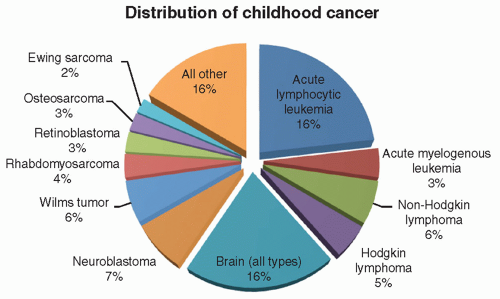
In Pakistan, childhood cancer accounts  for more than 15%  of  all  prevalent cancers. Leukaemia 8305 cases, Non-Hodgkin lymphoma 6644 cases, and Hodgkin lymphoma 1661 new caes per year. As per Karachi cancer registry Pakistan, Leukemia (31%) and lymphomas (20%) are the major childhood cancer.

Punjab cancer  registry  data showed   that   lymphomas   (31%)   are   relatively higher  prevalent  than  leukemia  (23%).  The available data  at  newly  established  PHRC  National  Cancer  Registry  is  very  limited  and  is  not showing the prevalence of childhood cancers.

With such a significant estimated data there is dire need to establish an accurate surveillance system for cancer incidence and mortality. In Pakistan with a population of over 22 million, there should be more proper cancer registries and the data collection  system  needs  improvement.  The collected data should be combined at national level to create a proper insight of cancer prevalence at adult and pediatric level.

With proper cancer prevalence data available, policies and procedures can be made for better treatment facilities to reduce disease burden and mortality.

In Pakistan total oncology centers are 33 including designated cancer hospitals and individual cancer units. One each in Azad Jammu & Kashmir, Balochistan and Gilgit-Baltistan. Three in Islamabad Capital Territory, six in Khyber Pakhtunkhwa, nine in Punjab and 12 in Sindh.

Pakistan Atomic Energy Commission (PAEC) has established a number of hospitals all over the country that provide cancer treatment. Initially, these focused primarily on the provision of radiation-treatment facilities. Gradually, they have come to deliver chemotherapy in addition to radiation treatment, but do not have surgery or palliative care services. In common with many lesser-developed countries, these hospitals tend to be under equipped and see many more patients than is ideal for the facilities available.

These above oncology centers include both public and private hospitals and all of them vary in facilities and standard of care and cost of treatment. We shall see pediatric oncology centers and their capacities in detail in next blog.


Refrences:

Globacon 2018.

International agency for research on cancer by WHO.

Global challenges in pediatric oncology by Carlos Rodriguez-Galindo

Afzal.suhail et al., Iran J Public Health, Vol. 49, No.8, Aug 2020, pp.1579

Friday, August 6, 2021

Warriors and Survivors -17


 Children Cancer Stories by Rukh Yusuf - Blog # 17


I am Rukh Yusuf, Clinical Pharmacist, also specialized in Total Parenteral Nutrition and Bone Marrow Transplant. I have been working in Pediatric Oncology unit of a public hospital for several years. The mission of this blog is to bring to you the real-life stories of child patients suffering from cancer. Cancer is still a difficult disease to handle and treat. However, when it strikes the children, some so young that they cannot even speak, their agony is beyond expression and words. Let us pray especially for children suffering from cancer for early and complete remission. May Allah shower His Merciful Blessings upon them. Aameen.

Two years old Shaban is one of the twins from a family of Burewala. He has five siblings, three sisters and two brothers. One is fifteen years old eldest brother and the other is two years old Shaban’s twin brother.

Shaban was a healthy, normal child till the age of one and half year until he got fever which did not settle with routine treatment. He seemed pale with distended abdomen. Parents were worried and consulted physician again. Doctor said Shaban’s liver is enlarged and was not working properly and referred Shaban to Lahore in a tertiary care Children’s Hospital. Shaban was diagnosed as case of high risk Hepatoblastoma. Poor child’s treatment was started in November 2020. He has got six chemotherapy cycles so far.

Hepatoblastoma is the most common liver cancer of childhood, it affects 2 to 3 people in a million. It affects children during the first three years of life and usually presents as an abdominal mass which causes pain and discomfort. A large percentage of these tumors occur in children who are born premature. The tumor can be cured with surgical removal. If surgical removal is hazardous because of size and location of this tumor inside the liver, cure is still possible with liver transplantation.

Hepatoblastoma diagnosis starts with child's symptoms and medical history. Tests may include: Blood tests –X-rays of the chest and abdomen, Angiograms – X-rays of blood vessels, MRI scan , Ultrasound, CT scan and liver Biopsy.

Liver cancer "staging" is done to find out the stage to plan the best treatment for the child. The following stages are used for pediatric liver cancer: Stage I Liver Cancer – The cancer can be removed with surgery. Stage II Liver Cancer – Most of the cancer may be removed but very small (microscopic) amounts of cancer are left in the liver following surgery. Stage III Liver Cancer – Some of the cancer may be removed, but some of the tumor cannot be removed and remains either in the abdomen or in the lymph nodes. Stage IV Liver Cancer – The cancer has spread from the liver to other parts of the body. Recurrent Liver Cancer – The disease has come back (or recurred) after having been treated. It may reappear in the liver or in another part of the body.

Pediatric liver cancer treatments depend on the type (hepatoblastoma or hepatocellular carcinoma) and stage of child's disease, as well as child's age and general health.

Chemotherapy is started immediately upon diagnosis and is also given after liver transplantation. Up to 80 percent of children treated with liver transplantation survive longer than 20 years without experiencing recurrences if the tumor is confined to the liver.

If the tumor has spread outside the liver, eliminating it with surgery or chemotherapy before transplantation can still cure in up to half of such children.

Relapse can occur in 16 percent of children after transplantation. Recurrences are most common during the first two years, and rarely occur thereafter. Hepatoblastoma most commonly spreads to the lungs.

This little brave warrior has received five chemotherapy cycles before surgery and his one lobe was removed couple of months ago. He is again on chemotherapy cycle to fight his disease. Shaban is doing fine so far as per his mother. But He has stage three disease, he is under observation and follow up.

Shaban belong to a lower middle-class family of Burewala. His parents are first cousins. His maternal and paternal Uncles and aunts are the same due to strictly following cousin marriage in family. As per his mother, Shaban’s eldest brother who is fifteen years old is unable to walk. Three daughters are school students and doing fine. Poor parents are fighting with the disease of their son, they must travel to Lahore again and again for his treatment and follow up but both of them are hopeful for cure of Shaban.


We all pray for ease for Shaban and his family. Aameen


Note: Names have been changed to protect identity.


Blog Post # 03 by Rukh Yusuf